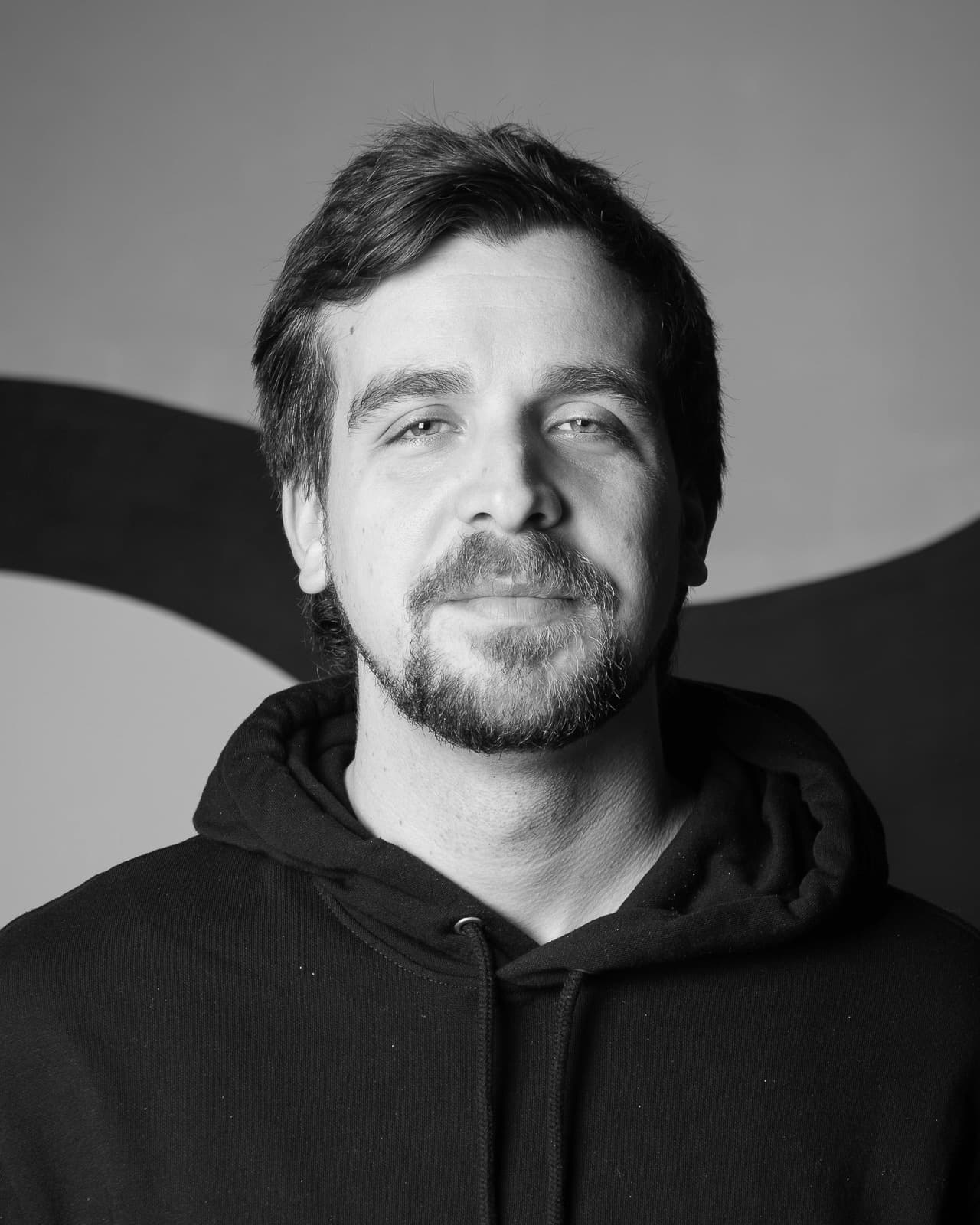
For seven years I’ve designed and built software for companies: web applications, management systems and AI-first products, up to leading a development team. Today I help SMEs use technology without wasting time and money on it.
- Generative AI Leader
- Claude Certified Architect
- designing and building software for companies
- 7 years
- in products since 2023: RAG, agents and assistants
- AI
- the group that accelerated the AI platform I built
- Mondadori
- Convivo Studio
- Pathway
- Basement Eleven



Work
What I built, and how it went.
From scraps of paper to a full history for every machine
Every machine’s history in one place, and no certification left to expire by oversight.
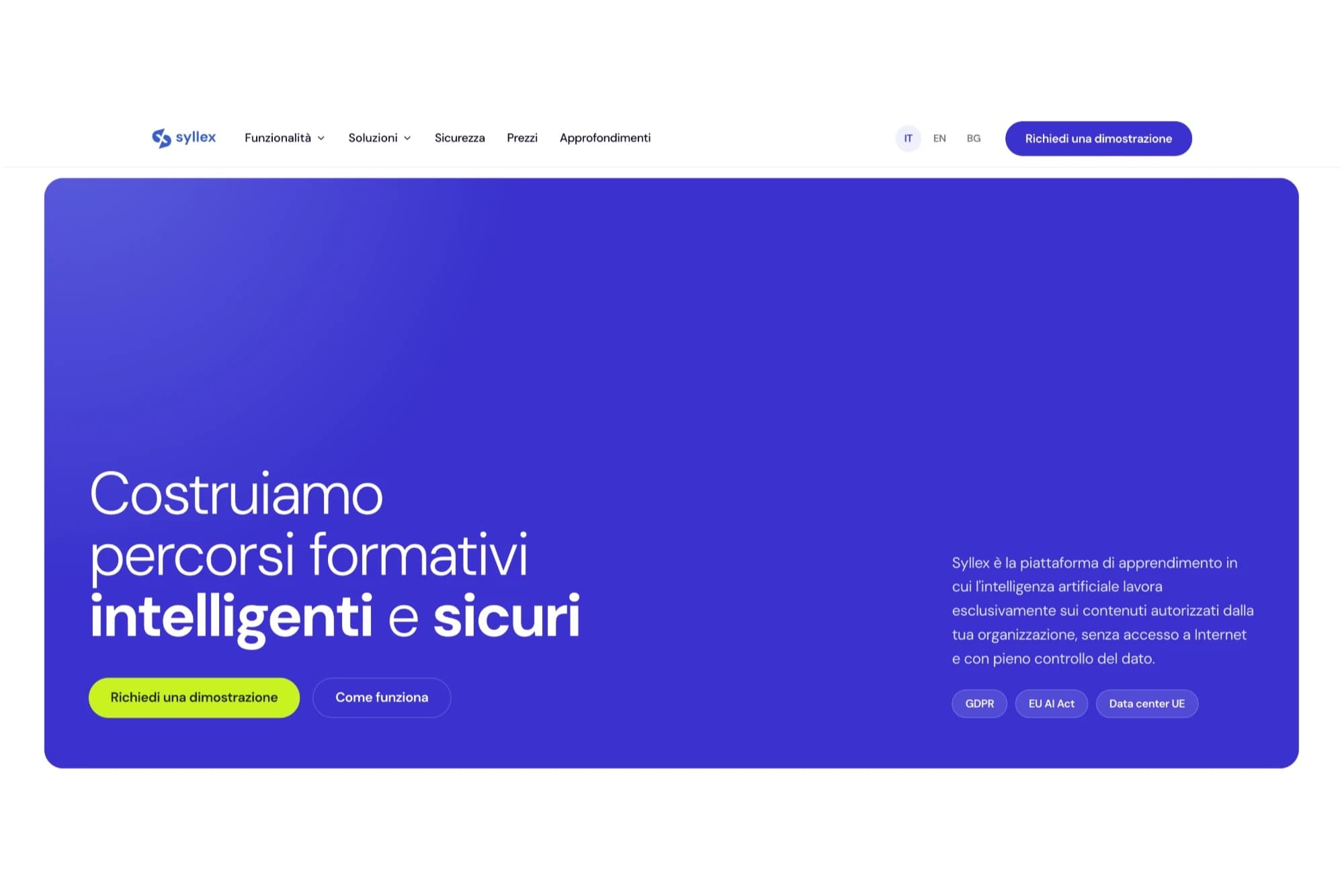
Read the caseFrom a manual to a finished course, without weeks of work
From manual to finished course in hours instead of weeks, inside a closed, compliant environment.
Read the case
Services
Custom software and artificial intelligence.
I’m an independent developer. I mostly build two things: tools that bring AI and automation to where time gets lost, and software designed around the way you actually work.
Artificial intelligence and automation
I bring AI to the points where time gets lost: assistants that know your documents, agents that handle repetitive tasks, workflows that move on their own from one tool to the next.
- Assistants and chatbots on your documents
- AI agents for repetitive tasks
- Automation across email, ERP and CRM
- Data extraction from PDFs and invoices
- AI models inside your software
Custom software, web and mobile apps
Management tools, platforms and apps built around the way you work, not the other way round. From architecture to release, on my own or alongside the team you already have.
- Management systems and web platforms
- Mobile apps for iOS and Android
- Customer portals and private areas
- Integrations with the systems you already use
- Technical leadership for your team
- Websites — Fast, multilingual, written for the people who read them.
- E-commerce — Online shops connected to stock and management systems.
Not sure which one you need? You don’t have to be.
Tell me what eats your time, or what you’d like to build. In a free half-hour call I’ll tell you what I would do: software, an automation, or nothing at all.
How I work
I’ll also tell you when it isn’t worth it.
What I bring isn’t hours or technology: in seven years I’ve seen software pay for itself in a few months, and projects that should never have started. If I tell you something isn’t worth what it costs, that’s where it comes from.
- Process first, software second
- We start from how you actually work, not from the tool. Often a problem that looks like it needs new software goes away once two steps are moved.
- AI where it earns its place
- Artificial intelligence comes in where it saves time you can measure. Everywhere else, I’d rather tell you to leave it alone.
- Prices and dates in writing, up front
- Every proposal has a number and a date. If something changes along the way, I put it in writing before doing it, not after.
- Leaving you independent
- For me the work is done when your team carries on without me. Nobody enjoys depending on a consultant.
Path
Seven years, one craft.
Since 2019 I’ve been doing the same thing, ever more deeply: turning a concrete problem into software that works. First web applications and management systems for clients, then an AI-first platform, then leading a technical team. That’s why I can tell you not only how to build something, but whether it’s worth building.
Convivo Studio
Technical Lead · Development and AI
A creative studio across technology, design and communication: I led the development team and brought AI into internal and client work.
Pathway
Lead Fullstack Developer
An AI-first EdTech platform, accelerated by Gruppo Mondadori: I built it from the first line of code to the product.
Basement Eleven
Fullstack Developer
A software house doing client work at every scale: where I learned the craft.
Università Politecnica delle Marche
MSc in Computer and Industrial Automation Engineering
Automation means letting a process run on its own where it used to need a person. Back then we were talking about machines.
Contact
Let’s talk.
Tell me the problem, not the solution you have in mind: that’s usually the most useful part of the conversation. And if I’m not the right person, I’ll say so straight away.
Half an hour on a call, no strings: you tell me what isn’t working, we ask each other a few questions and think through how I’d approach it — even if the answer is that you don’t need software. If it then makes sense to work together, I’ll send you a written proposal with numbers and dates.
Book a call30 minutesEmail meinfo@luigidimarcantonio.it